Call Now (02) 9300 3000
9am-5pm, Mon-Fri

Latest News

Social Security Payments and Their Effect on Discretionary Trusts

For businesses and families managing discretionary trusts, understanding how social security laws intersect with trust arrangements is critical. For businesses and families managing discretionary trusts, it is critical to understand how social security laws interact with trust arrangements.

.

The structure and operation of a discretionary trust can affect individuals who receive social security payments and may also benefit under the trust. In some cases, trust income or assets may be deemed to belong to the individual, reducing their social security entitlements. This article outlines the key legal rules, including:

  • the definition of associates;
  • control tests; and
  • steps to reduce adverse impacts on social security recipients.

Interaction Between Social Security Payments and Discretionary Trusts

If certain conditions are met, Centrelink may treat the assets and income of a discretionary trust as belonging to an applicant. However, this can reduce or eliminate their social security entitlement. This may occur even if the individual is not a beneficiary and has never received any benefit from the trust.

In practice, this usually arises where Centrelink considers the individual to have “control” over the trust, such as where they are a beneficiary or a relative acts as trustee.

There are several scenarios where a trust may be deemed “controlled” by such an individual. Some examples are as follows:

  1. Trustee Involvement: The individual or their associate is a trustee of the trust.
  2. Reasonable Expectations: The trustee could reasonably be expected to make payments from the trust to the individual if the individual could not meet his or her living costs.
  3. Beneficial Interests: The individual and their associates hold 50% or more of the beneficial interests in the trust.
  4. Eligibility for Distributions: The individual and their associates collectively are eligible to receive distributions that exceed 50% of the total eligible recipients.

Control can also be inferred based on discretionary powers, such as the trustee’s ability to decide who receives distributions from the trust. 

It is important to read the trust deed carefully and to understand the actual circumstances surrounding the trust and any pattern of distributions. These factors will provide an indication of whether an individual may “control” that trust for social security purposes.

Understanding Associates and Relatives in Controlled Private Trusts

The broad definition of “associates” means many people can be linked to a single trust, directly or indirectly. As a result, the actions of one person, such as a trustee or appointor, can affect the social security entitlements of other associated beneficiaries.

As such, the concept of “associates” plays a central role in determining whether a discretionary trust is controlled for social security purposes. An “associate” includes a “relative”, and the term “relative” is broadly defined to include a broad range of familial relationships, including direct relatives such as: 

  • parents; 
  • siblings, 
  • children; and 
  • more distant relations (i.e. first and second cousins and spouses).

In cases where a single individual serves as both the sole trustee and sole appointor of a discretionary trust, the control test is likely to be triggered. This can result in the trust being considered as a controlled private trust of the relatives who receive social security payments, such as siblings or parents, potentially affecting their social security entitlements.

Corporate Trustees and Control

Using a corporate trustee does not automatically prevent a trust from being considered “controlled” for social security purposes. If an individual sufficiently influences the company, such as by holding more than 50% voting rights, control may still be found. As a result, appointing a corporate trustee alone may not remove control where significant influence remains.

Renouncing Beneficial Interests

Individuals receiving social security payments may avoid being deemed to “control” a trust by renouncing their beneficial interests. Renunciation can be achieved by:

  1. Amending the Trust Deed: excluding the individual as a beneficiary of the trust.
  2. Executing a Deed of Renunciation: a separate legal document is required for each individual, formally relinquishing their entitlement to income or assets from the trust.

The renunciation must be irrevocable and witnessed appropriately. An example renunciation statement confirms the individual’s intention to give up any current or future benefits from the trust.

Capital Gains Tax Implications

While renunciation may prevent a trust from affecting social security payments, individuals should seek tax advice before proceeding. This is because renunciation can trigger capital gains tax (CGT) events, which may have adverse tax consequences for that individual. The CGT events that may be triggered by a renunciation are:

  • CGT Event C2: The cancellation of an intangible capital asset. CGT event C2 may occur when a beneficiary renounces their interest, causing that interest to end. If the beneficiary had no prior entitlement to trust assets or income, any capital gain is likely to be nil.
  • CGT Event H2: The receipt of something for an event relating to a CGT asset (such as an interest in a trust). This event may be triggered if the individual receives compensation for the renunciation, potentially resulting in a taxable capital gain.
  • CGT Event E1: The resettlement of a trust may be triggered by an amendment to the trust deed to remove a beneficiary.

Mitigating Social Security Risks

To protect the social security entitlements of the beneficiaries, the following steps may be considered:

  1. Resignation of Trusteeship: Associates of social security recipients, serving as sole trustees or appointors, should consider resigning to remove the direct link between the trust and social security recipients.
  2. Renunciation of Beneficial Interests: Impacted recipients should execute a deed of renunciation to formalise their disassociation from the trust.
  3. Amendment of Trust Deed: Prepare a deed of amendment to the trust deed to exclude the social security recipients from being considered as eligible beneficiaries of the trust for the period of social security entitlements.
  4. Setting up the Trust Deed with the exclusion at the beginning: Excluding social security recipients as a beneficiary when the trust deed is drafted. This would be the best-case scenario as it would mitigate any tax events listed above. 

However, the above actions should be considered carefully since there may be adverse tax consequences that arise as a result. 

Corporate Governance Guide for SMEs

Running a small business? Download this free guide to understand your corporate governance responsibilities, including the decision-making processes.

Key Takeaways

The interplay between discretionary trusts and social security payments is complex. They can have negative consequences on an individual’s social security payments if that individual is deemed to have “control” of that trust. This can occur because of the broad definitions of associates and control under Australian law. 

For businesses and families managing trusts, proactive measures are essential to safeguard their social security entitlements, such as: 

  • excluding social security recipients from beneficiaries of the trust; and
  • resignation from trustee roles and renunciation of beneficial interests. 

However, this must be balanced against broader tax consequences, especially with respect to CGT. By consulting legal professionals and understanding beneficiary arrangements and control tests, you can:

  • make informed decisions;
  • ensure compliance; and
  • avoid unintended financial consequences.


Thomas Linnane
15  Jan 2026
legalvision.com.au

Latest Articles

Social Security Payments and Their Effect on Discretionary Trusts

For businesses and families managing discretionary trusts, understanding how social security laws intersect...

Read More

Components of a cyber security plan

What is a cyber security risk plan? . A cyber security risk management plan is a strategic blueprint...

Read More

Impersonation scams are on the rise

Best defense is to pause – protect your ID and your finances. . Ever received an unexpected call...

Read More

ATO warns millions of Australian chasing tax deductions to stop making ‘unusual’ claims

The tax office is warning Australians to stop claiming private expenses on their tax returns, with some...

Read More

Tips to help you this tax time

With tax time around the corner, it's time to start getting your records in order for your 2025-26 tax...

Read More

Check out what Uses the Most Internet Traffic: Data from 1994 to 2026

The evolution of global internet traffic from 1994 to 2026, tracking which technologies, platforms, and...

Read More

Managing your mental health and wellbeing during times of uncertainty

Running a small business has always required grit, creativity and the ability to adapt quickly. However...

Read More

6 tips to help businesses avoid financial difficulties

Small business owners can face many challenges that impact their finances. It could be something small, like...

Read More

SMEs to be hit hardest by new trust tax reforms

Australia’s proposed discretionary trust tax reforms could put a significant financial burden on small and...

Read More

Payday Super: 6 Things Small Businesses Need to Know

From 1 July 2026, a major change is coming for employers: Payday Super . Instead of paying super...

Read More

PAYDAY SUPER STARTS 1 JULY 2026 – Planning guides

From 1 July 2026, super contributions will need to be paid at the same time as wages. . The current...

Read More

2026 Year-End Tax Planning Guide – Part 2

Following on from Tax Planning Part 1. As the end of the financial year approaches, now is the ideal time to...

Read More

Liability limited by a scheme approved under Professional Standards Legislation.

As a registered tax agent with the Tax Practitioners Board (TPB), we are required to comply with the Code of Professional Conduct under the Tax Agent Services Act 2009.

You can verify our registration by visiting the TPB’s public register at www.tpb.gov.au and searching for our business name or registration number.

If you have any concerns about the services provided, you are encouraged to raise these with us in the first instance so that we can address them promptly. If your concerns are not resolved to your satisfaction, you may lodge a complaint with the TPB via their website: www.tpb.gov.au/complaints

For more information about your rights and obligations when engaging a registered tax practitioner, please visit the TPB website.

Accounting & Bookkeeping

Modern business demands up to date accurate financial information.

We can take care of all your bookkeeping and accounting needs, including the preparation of your annual accounts and periodic management accounts for tax, business appraisal and planning purposes.

We can also assist with meeting your reporting requirements including Business Activity Statements, PAYG Withholding and Instalment Activity Statements.

We will discuss your requirements with you and provide you with tailored information and constructive advice on a regular basis.

If you would like further information you can contact us on (02) 9300 3000 or .

Acquisitions & Mergers

Whether you are considering buying or selling a business, we are able to assist you in this transaction by providing experienced advice.

Each transaction is different and needs to be assessed on its individual merits. There are a number of accounting and taxation opportunities with these transactions and our experience can ensure you are maximising your benefits.

If you would like further information you can contact us on (02) 9300 3000 or .

Budgeting

A good budget is a necessity in a good business plan. It is one of the best business tools we have, allowing us to set financial targets and measure our performance.

In addition to goal setting value, budgets will often improve your chances of acquiring funding. Financers often require budgets as a prerequisite for funding approval.

We have extensive experience with assisting clients in the budgeting process.

If you would like further information you can contact us on (02) 9300 3000 or .

Business Start-Ups

Before commencing a new business, the following are some of the key items that need to be considered:

  • Decide on the most suitable structure for your business – sole trader, partnership, trust or company
  • Prepare a business plan, cashflow projections, budgets, and trading forecasts
  • Assess your finance requirements, advise on the best sources of finance, and draw up the necessary proposals
  • Establish a good working relationship with your bank
  • Register for a Tax File Number and an Australian Business Number with the ATO
  • Complete registration procedures with Australian Securities and Investments Commission
  • Deal with company secretarial issues
  • Set up a recording system for your internal use and for complying with statutory requirements

Each new business is different and needs to be considered in relation to your individual circumstances and our experience can ensure you are maximising your opportunities.

If you would like further information you can contact us on (02) 9300 3000 or .

Charitable Institutions

Charitable institutions are set up to hold money or assets and carry out activities for the benefit of the community. In Australia, a variety of charitable institutions exist including:

  • Various forms of charitable trusts
  • Companies limited by guarantee
  • Unincorporated associations
  • Deductible gift recipients
  • Prescribed private fund

Each type of charitable institution brings with it different requirements and benefits. We know the practicalities of these institutions and are able to assist you by:

  • Co-ordinating the preparation of constituent documents
  • Applying to the ATO for an Australian Business Number and Tax File Number
  • Organising tax exemptions where applicable
  • Attending to all compliance and statutory filings

If you would like further information you can contact us on (02) 9300 3000 or .

Company Secretary

Company legislation requires businesses to perform many administration tasks which take up a lot of valuable company time.

We are able to assist you in the following areas:

  • General advice on company law
  • Company formations
  • Filing of annual returns on your behalf
  • Preparation of all documentation related to minutes and resolutions
  • Maintenance of statutory books
  • Assistance in changes of directors, shareholders, addresses, and office details
  • Bonus Issues
  • Share transfers
  • Registered Office Facility

If you would like further information you can contact us on (02) 9300 3000 or .

Financial Structures

Having the right financial structure in place for your business or your family means looking at your individual circumstances and ensuring that your assets are being maximised whilst being adequately protected.

We have extensive experience in ensuring our clients have the best financial structure for their needs both now and in the future. We can provide advice on and assist with:

  • Effective structures for asset protection
  • Effective structures for tax minimisation
  • The optimal structure through which to operate your business
  • Structures to assist in succession planning and providing for future generations

If you would like further information you can contact us on (02) 9300 3000 or .

GST

Every transaction has GST implications. We have experience with these issues and are able to offer expert advice on the implications of GST for your business. The GST related services we offer include:

  • Assistance with registering for GST
  • Filing and adjusting GST returns
  • ATO audit assistance
  • Advice on GST related issues

If you would like further information you can contact us on (02) 9300 3000 or .

Management Consulting

We are practiced in acting as a sounding board for management, bringing to the relationship years of experience in business growth and analysis.

We are able to check that your business is as competitive, focused, and profitable as it can be and we will work with you to address any issues.

If you would like further information you can contact us on (02) 9300 3000 or .

Payroll Services

We can provide a comprehensive and confidential payroll service including:

  • Administration of PAYG Withholding, statutory sick pay, annual leave etc
  • Australian Taxation Office filing
  • Summaries and analyses of staff costs
  • Administration of incentive schemes, bonuses and termination payments
  • Assistance with payroll tax and workers compensation obligations

If you would like further information you can contact us on (02) 9300 3000 or .

Rental Properties

We can assist in a variety of areas in relation to residential and commercial property including:

  • Advice on funding
  • Cash flow analysis of property investment
  • Guidance in tax related areas including negative gearing and capital gains tax
  • Advice on ownership structure
  • Preparation of initial land tax returns and land tax variation returns

If you would like further information you can contact us on (02) 9300 3000 or .

Clients of Wybenga & Partners Pty Limited can engage our partner firm, Washington Brown, for a competitive price on their depreciation services: Tax Depreciation Quote Request – Wybenga & Partners Pty Limited Clients

Strategic Planning & Advice

Our Strategic Planning Service is designed to assist our clients to develop financially towards the achievement of their lifetime objectives. Our experience and proven results provide our clients with the security that their financial goals will be met.

Wybenga Financial Pty Ltd is an organisation providing wealth creation and management services to private clients.

If you would like further information you can contact us on (02) 9300 3000 or .

Superannuation

Self-managed superannuation is a flexible means of saving for retirement. It allows you to take control of your superannuation, adopt a customized investment strategy and control fund administration costs.

Superannution law is a delicate area and personalised planning is required for each individual. We have extensive experience in all areas relating to superannuation and can assist in establishing a superannuation fund that will effectively allow you to reach your financial retirement goals.

Services we offer include:

  • Establishment of Self Managed Superannuation Funds
  • Advice concerning Compliance Matters
  • Advice concerning Taxation Benefits
  • Advice on Employer obligations

If you would like further information you can contact us on (02) 9300 3000 or .

Taxation

We offer a complete range of taxation services and advice based on proven knowledge and experience. Our proactive approach ensures we deliver a consistent service and build solid relationships.

We will work with you to help reduce your tax exposure and provide services including:

  • Advice on all areas of direct and indirect taxation
  • Preparation and lodgement of annual income tax returns for all types of entities
  • Preparation of PAYG withholding variation applications
  • Preparation of activity statements and advice on payment of tax
  • Assistance with GST/FBT obligations including preparation and lodgement of relevant forms
  • Advice on and implementation of tax effective trust structures for asset protection and tax minimisation
  • Management of any ATO audits or disputes

If you would like further information you can contact us on (02) 9300 3000 or .

Trusts

A trust provides a valuable way of protecting the assets you have accumulated for the benefit of yourself and others.  A trust can also be an effective structure for running your business.

We have extensive experience with trusts and are able to offer specialist advice on establishment and compliance, ensuring that all statutory requirements are met.

Wybenga & Partners are able to organise for the preparation and execution of documentation involved in Trust formation.

Our Trust administration service includes:

  • Minute keeping service
  • Annual accounts
  • Taxation
  • Maintenance of CGT register
  • Income distribution

If you would like further information you can contact us on (02) 9300 3000 or .

Secure File Transfer

Secure File Transfer is a facility that allows the safe and secure exchange of confidential files or documents between you and us.

Email is very convenient in our business world, there is no doubting that. However email messages and attachments can be intercepted by third parties, putting your privacy and identity at risk if used to send confidential files or documents. Secure File Transfer eliminates this risk.

Login to Secure File Transfer, or contact us if you require a username and password.

Accounting Videos


Tax Diary


Tax Deductions by Job

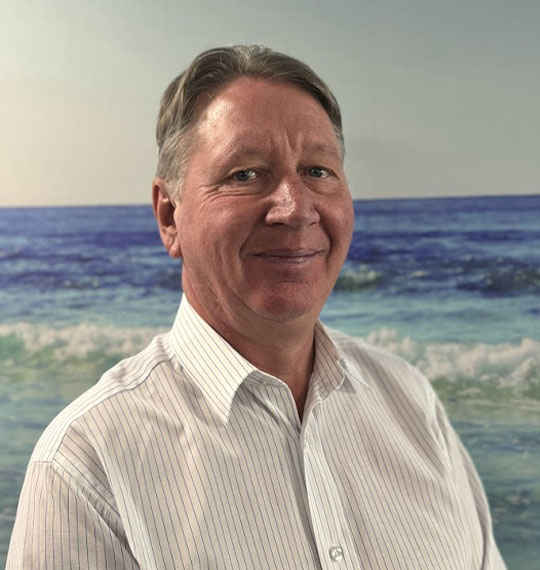
Chris Wybenga

Chris Wybenga

B.Bus, CA

Chris is the Managing Director of the Firm who established the practice in August 1994 and has been responsible for its growth and development since that time.

Chris has over 40-years experience in the Chartered Accountancy profession, predominantly spent in small to medium sized firms, advising small and medium sized businesses and individuals in areas such as taxation and accounting as well as business restructuring and superannuation advice.

Chris remains active in the development of young accountants through mentoring cadets at the Firm.

  • 1980 – Commenced employment and part time university studies
  • 1985 – Graduated Bachelor of Business from University of Technology, Sydney
  • 1986 – Admitted as an Associate Member of the Institute of Chartered Accountants Australia & New Zealand
  • 1994 – Established Wybenga & Partners

Dianne Bechara

B.Bus, CA

Dianne is responsible for the day-to-day operations and administration of the practice.

Dianne has over 30-years Chartered Accountancy experience and has significant expertise in providing advice and solutions to high-net-worth individuals and their associated entities. Dianne also has considerable knowledge in the areas of taxation, business services, superannuation, and compliance.

Dianne is active in promoting gender equality in the industry through various programs and mentoring opportunities. Dianne is also committed to the development of young accountants and donates considerable time to sharing her expertise.

  • 1992 – Graduated Bachelor of Business from University of Technology, Sydney
  • 1993 – Commenced employment in acounting profession
  • 1996 – Commenced career with Wybenga & Partners
  • 1997 – Admitted as an Associate Member of the Institute of Chartered Accountants Australia & New Zealand
  • 2002 – Appointed as Director of Wybenga & Partners

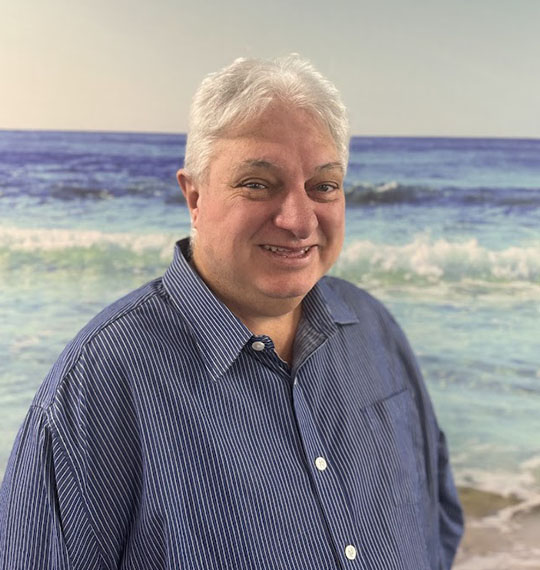
Roger Potter

B.Bus, CA

Roger has over 40-years in the Chartered Accountancy profession and significant expertise in providing advice and solutions to small and medium sized businesses and high-net-worth individuals. He also has extensive experience in the areas of Self-Managed Superannuation Funds and retirement strategies.

  • 1985 – Commenced employment and part time university studies
  • 1990 – Graduated Bachelor of Business from University of Technology, Sydney
  • 1992 – Admitted as an Associate Member of the Institute of Chartered Accountants Australia & New Zealand
  • 1998 – Commenced career with Wybenga & Partners
  • 2002 – Appointed as Director of Wybenga & Partners

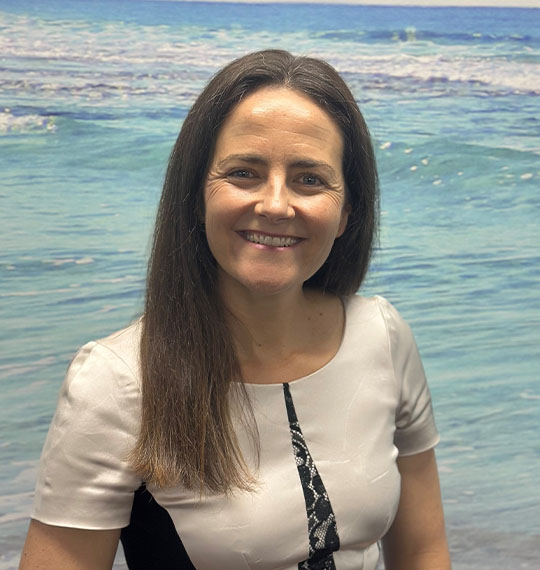
Tess Uncle

B.Sc, M.Com, CA

Tess has been working in Chartered Accounting Firms since 2001 and in this time has had a broad range of experience in superannuation, taxation, business services and financial strategy.

Since 2016, Tess has turned her attention to Financial Planning, earning a Diploma of Financial Planning in 2015 and leading the financial division of Wybenga Group as a Director of Wybenga Financial.

Tess’s mission is to bring the ethics and integrity of her Chartered Accounting background to the area of wealth management.

As a woman in a male dominated field, Tess is active in promoting gender equality in the industry through various programs and mentoring opportunities.

Using her depth of knowledge and experience in tax and accounting Tess is able to demonstrate a level of competence that is unique in the Financial Planning sector.

  • 2001 – Commenced employment with Wybenga & Partners and part-time accountancy studies
  • 2004 – Graduated Masters of Commerce from the University of New South Wales
  • 2005 – Admitted as an Associate Member of the Institute of Chartered Accountants Australia & New Zealand
  • 2007 – Promoted to Manager at Wybenga & Partners
  • 2012 – Appointed as Associate Director
  • 2015 – Awarded a Diploma in Financial Planning
  • 2016 – Appointed as Director of Wybenga & Partners Pty Ltd, Wybenga Group Pty Limited and Wybenga Financial Pty Ltd

Schedule a Meeting with Tess


Adam Roberts

B.Bus, B.Sc, CA

Adam has over 18-years experience in Chartered Firms and in this time has had a broad range of experience in superannuation, taxation, and business services. In particular, Adam has had significant experience in MYOB and assisting clients with periodic management reporting.

Adam is responsible for the implementation of technology in the Firm and sourcing new areas of innovation and efficiency.

Adam is active in the development of young accountants and donates considerable time to sharing his expertise.

  • 2005 – Commenced employment with Wybenga & Partners and part-time Accountancy Studies
  • 2005 – Graduated Bachelor of Science from the University of Western Sydney
  • 2007 – Graduated Bachelor of Business from the University of Western Sydney
  • 2010 – Admitted as an Associate Member of the Institute of Chartered Accountants Australia & New Zealand
  • 2010 – Promoted to Manager at Wybenga & Partners
  • 2012 – Appointed as Associate Director
  • 2016 – Appointed as Director of Wybenga & Partners

Schedule a Meeting with Adam


Hussein Oubani

B.Bus, CA

Hussein brings over 20 years of experience working in Chartered Accounting Firms, during which he has gained extensive expertise in taxation and business services. He provides advice on various tax issues, including capital gains tax, fringe benefits tax, goods and services tax, and Australia’s tax treaties.

Hussein is dedicated to fostering the growth of young accountants and generously devotes a significant amount of time to sharing his knowledge and expertise.

  • 2008 – Commenced employment with Wybenga & Partners and part-time
    Accountancy Studies
  • 2010 – Graduated Bachelor of Business from the University of Western Sydney
  • 2012 – Admitted as an Associate Member of the Institute of Chartered Accountants
    Australia & New Zealand
  • 2024 – Appointed as Director of Wybenga & Partners

Accounting Cadetships

Build your career with expert guidance from our accounting cadetships program, based in Sydney NSW.

Wybenga & Partners offer accounting cadetships at our location in the CBD of Sydney NSW. You’ll receive expert guidance as you work in the industry.

  • Industry experts guiding you
  • Friendly and supportive culture
  • Modern work environment
  • Training and ongoing support
  • Convenient Sydney CBD location
  • Registered tax agents

Call (02) 9300 3000

or send your enquiry now

    Each year we offer several school leavers or undergraduates the opportunity of beginning their career with us via an Accounting Cadetship. If you are interested in pursuing a career in accounting please read the information below. Our accounting cadetships could be perfect for you!

    What is an Accounting Cadetship?

    An Accounting Cadetship enables you to commence your career whilst attaining the necessary university qualifications by studying part-time.

    How Does It Work?

    Generally, our cadets complete a Bachelor of Commerce (BCom) or Bachelor of Business (BBus) degree at the University of New South Wales, the University of Technology Sydney, Macquarie University, or the University of Western Sydney.

    The firm provides 3 hours paid study leave per week to attend University. This can either be taken at the one time or broken between days depending on the individual’s requirements. In addition, the Firm provides paid study leave for both mid-semester and end-of-year exams.

    We take the work life balance very seriously at Wybenga & Partners and our cadets are encouraged to have a fulfilling life outside the office. A typical day will have you arriving at the office at around 8.30am with most days concluding at 5.30pm.

    What Are the Benefits of Accounting Cadetships with Wybenga and Partners?

    Our cadets benefit from the following:

    • Career path – on completion of their degree our cadets have significant practical experience which will assist them in advancing their careers.
    • Work helps your studies – by working full-time our cadets are able to apply their practical knowledge in the university subjects.
    • Camaraderie with other cadets – the Firm has a number of cadets at various stages of their career.
    • Mentoring – cadets are paired with a senior staff member who oversees their progress and training both at work and with their studies.
    • Communication and feedback – the Firm has an open door policy which enables all cadets to interact with all members of staff including Directors.
    • Culture – the Firm promotes a friendly social culture with a number of functions throughout the year.
    • Modern environment – including ‘socialising’ areas such as pool table and break out area.
    • Training – ongoing support and technical training. We also provide internal and external training on a monthly basis.
    • Remuneration – working full-time provides a market salary and independence with salaries being reviewed every 6-months.
    • Professional registered tax agents – Wybenga & Partners are registered tax agents with the Tax Practitioners Board. We use our years of experience and professionalism to provide the best advice and education to you, helping you build your career effectively.

    What Happens When I Complete My Degree?

    The completion of your degree is the first step of what we hope to be a long and successful career with us. The next step is the commencement of your CA Program with the Institute of Chartered Accountants Australia and New Zealand whilst at the same time continuing your employment with us.

    A number of cadets have progressed to Seniors, Managers, and Directors within the firm.

    Who Should Apply?

    Current Year 12 students or first/second year University Students who:

    • want to commence their career in accountancy;
    • are due to commence or are currently completing a part-time business or commerce degree at university with an accounting major;
    • want to gain valuable hands-on experience while completing their qualifications;
    • are looking for a friendly working environment;
    • are team players who display initiative;
    • have a commitment to self-development;
    • possess excellent personal presentation and communication skills; and
    • are motivated and mature minded.

    How Do I Apply for an Accounting Cadetship?

    To apply for a Cadetship position at Wybenga & Partners send us your details. Please also include in your covering letter why you wish to do a cadetship, include relevant qualities you possess, main interests / achievements, and any previous employment.

    Interested candidates should initially forward a resume/covering letter of no more than 3-pages. Please provide full details of contact information (telephone or e-mail).

    What If I Have More Questions?

    For further information about our Cadetship program, please send your enquiry to .

    Skilled Accountants

    Wybenga & Partners offers a stimulating work environment giving you the opportunity to develop your future success.

    Wybenga & Partners recognises and promotes that there is more to life than work. We know that your needs change and we provide support to balance your work, academic and lifestyle pursuits.

    We welcome enquires from trained accountants regarding a career with Wybenga & Partners. Please email us your details to .