Latest News
How Do I Write Legally Compliant Terms and Conditions for My Business?
Terms and conditions bind your customers only where they actively accept them, so a tick box at checkout holds up where a footer link often does not.

Summary
Terms and conditions bind your customers only where they actively accept them, so a tick box at checkout holds up where a footer link often does not.
The Australian Consumer Law guarantees acceptable quality, fitness for purpose and due care and skill, and any term excluding those guarantees is void.
The unfair contract terms regime covers standard form contracts with consumers and with small businesses, and penalties against a corporation reach $50 million.
This article explains how Australian business leaders write terms and conditions that a court will enforce.
Tips for Businesses
Present your terms before checkout, and require customers to scroll through before ticking accept. Keep a record of each version and the date each customer agreed. State how you will notify customers of changes, and let customers terminate instead of accepting. Check your terms do not contradict your privacy policy or your advertising. Review your terms annually.
Terms and conditions form a legally binding contract between an Australian business and its customers, covering payment, liability and dispute resolution. Australian courts enforce terms only where the customer actively accepts them, so a tick box at checkout works where a link buried in a website footer often does not. The Australian Consumer Law also sets a floor no contract can lower. Consumer guarantees on acceptable quality, fitness for purpose and due care and skill apply regardless of what your terms say, and any term excluding them is void. The unfair contract terms regime goes further, and the ACCC can seek penalties reaching $50 million against a corporation that relies on an unfair term.
This article explains what makes terms and conditions enforceable in Australia, how the Australian Consumer Law limits what you can include, the mistakes that make terms unenforceable, and how the unfair contract terms regime applies to your small business customers.
What Are Terms and Conditions?
Terms and conditions are a legally binding contract between your business and your customers. They outline the rights and responsibilities of both parties when customers purchase your products or use your services. These terms govern everything from payment obligations to liability limitations and dispute resolution processes.
Your terms and conditions should be clear, fair, accessible and enforceable. Customers must be able to find and understand them before making a purchase or using your service.
Why Do You Need Terms and Conditions?
Terms and conditions protect your business in several ways. For example, they:
limit your liability for certain losses,
set out refund and return policies, and
establish how you handle disputes.
Without proper terms, you may face difficulties enforcing important elements of your business’ relationship with customers, such as payment or intellectual property.
The Australian Consumer Law (ACL) provides consumers with certain guaranteed rights that you and your business cannot contract out of. However, terms and conditions allow you to define other aspects of your business relationship within legal boundaries.
Key Elements That Make Terms and Conditions Legally Enforceable
Simply having terms and conditions is not enough. Courts will only enforce terms that meet specific legal requirements, such as:
1. Clear Acceptance by Customers
Customers must actively agree to your terms before they become binding. For online businesses, use a clickwrap agreement where customers tick a box confirming they accept your terms before completing a transaction. Avoid browsewrap agreements where terms are only linked in a website footer, as courts often find these unenforceable.
2. Reasonable Opportunity to Review
Customers must have a reasonable chance to read your terms before agreeing to them. Presenting lengthy terms seconds before purchase or hiding them in small print may render them unenforceable. Provide terms in an accessible format with readable font sizes and clear headings.
3. Clarity and Plain English Writing
Courts interpret ambiguous terms against the party that drafted them. Write your terms in plain English that your average customer can understand. Avoid unnecessary legal jargon and complex sentence structures.
Be specific about your customers’ obligations. Clearly set out what customers must do, by when, and how. This includes clear payment deadlines and cancellation processes. Vague obligations create room for disputes and make terms harder to enforce.
4. Compliance with the ACL
The Australian Consumer Law (ACL) automatically grants consumers a set of non-excludable guarantees. These include guarantees that
goods are of acceptable quality, fit for purpose, and match their description; and
services are provided with due care and skill and within a reasonable time.
Any term that attempts to exclude or limit these guarantees is void and unenforceable. Where a business breaches a consumer guarantee, the ACL entitles consumers to a range of remedies including repair, replacement, or refund for goods. For services, consumers are entitled to a resupply of services or compensation.
5. No Unfair Terms
Courts will not enforce terms that are unfair. The ACL prohibits unfair contract terms in standard form consumer contracts. Standard form consumer contracts are those drafted by a business where the customer has limited opportunity to negotiate the terms, for example website terms and conditions.
A term is unfair if it causes significant imbalance in parties’ rights, is not reasonably necessary to protect your business’ legitimate interests, and would cause detriment to your customers if enforced.
Examples include clauses allowing your business to change terms without notice to your customer, or terminate customer contracts without any reason. Courts can impose penalties for unfair contract terms, including the terms being unenforceable, or a pecuniary penalty for corporations that is the greater of:
$50,000,000;
if the Court can determine the direct or indirect financial gain a company obtained from breaching the law, 3 times that value; or
if the Court cannot determine the direct or indirect financial gain a company obtained from breaching the law, 30% of the corporation’s adjusted turnover during the breach turnover period for the contravention.
6. Unfair Contract Terms in Small Business Contracts
The unfair contract terms regime does not stop at consumer contracts. The regime also covers standard form contracts with small businesses. Your terms and conditions can therefore breach the law even where you only sell to other businesses.
A contract counts as a small business contract where the other party employs fewer than 100 people, or turns over less than $10 million a year. The old contract value threshold no longer applies under the Australian Consumer Law, so a large contract with a small counterparty still falls inside the regime.
The same unfairness test applies. A court asks whether the term creates a significant imbalance, whether your business needs the term to protect a legitimate interest, and whether the term would cause detriment. A term that fails that test is void, and the rest of the contract continues to bind both parties.
Suppliers commonly trip on automatic renewal clauses, unilateral price variation clauses and broad indemnities that run one way only. Review these clauses in your business to business terms, not only in your customer facing ones.
7. Proper Notice of Changes
If you reserve the right to change your terms, specify how you will notify customers. Common methods include email notification or posting updates on your website with reasonable notice periods. Customers should have the option to reject changes by terminating the contract.
8. Consistency With Other Documents
Your terms must align with other business documents like your privacy policy and marketing materials. Contradictions create ambiguity and may render terms unenforceable. If your advertising promises certain features, your terms cannot contradict these representations.
What Are Common Mistakes to Avoid?
Many businesses copy terms from competitors or use generic templates without customisation. This approach can leave gaps in terms your business might require or include irrelevant clauses. Your terms must reflect your specific business model and industry.
Do not attempt to exclude rights that ACL guarantees to consumers. Such clauses are void and may expose you to penalties.
Failing to update your terms regularly is another common error. As your business evolves or laws change, your terms must adapt. You should review them at least annually.
When Should You Seek Legal Advice?
Consider getting legal advice when drafting terms for the first time, entering new markets or offering new products. Complex businesses with significant risk exposure should always have lawyers review their terms.
If customers frequently dispute your terms or if you face regulatory scrutiny, professional review is essential. The cost of proper legal advice is typically far less than the cost of defending disputes arising from poorly drafted terms.
“Most of the terms and conditions I review fail on acceptance, not on drafting. A business spends real money getting the clauses right, then buries the link in the footer and cannot prove the customer ever agreed. Fix the checkout flow first, because the strongest clause in the world does nothing if the contract never formed.”
Key Takeaways
Well-drafted terms and conditions protect your business and set clear expectations for customers. They must comply with the Australian Consumer Law, be fair, and address your specific business needs. Keep your terms current and enforceable by ensuring customers actively agree to them, writing in plain English, maintaining proper records and completing regular reviews.
By: Briarne Mead, Lawyer | legalvision.com.au
Latest Articles
How Do I Write Legally Compliant Terms and Conditions for My Business?
Terms and conditions bind your customers only where they actively accept them, so a tick box at checkout holds...

Paid parental leave super contributions have started
From July 2026, the new Paid Parental Leave Superannuation Contribution (PPLSC) has started. From...

If the business is no longer profitable, and is unlikely to be profitable in the future, your best option may...

Check out the this visualization, which tracks the evolution of dietary calorie intake from 1930 to...

Taxpayer given 35% penalty for BAS recklessness
Following an application for a refund of nearly $94,000, the Administrative Review Tribunal has set aside an...

SMEs warned as ATO ramps up tax debt collection
One insolvency specialist has emphasised the importance of small businesses engaging their accountants to stay...

Does Your Small Business Need to Follow AML Privacy Rules?
Compliance with new anti-money laundering (AML) laws may subject your small business to additional privacy...

Don’t get caught out at tax time with your multiples jobs
Picking up a second job, holding multiple part-time roles, or doing gig work is now part of everyday life. But...

Global companies turn to cost-cutting amid ongoing inflation
Rising operating costs and persistent inflation are placing renewed pressure on businesses worldwide, despite...

Warning for early lodger this tax time!
The ATO has a clear message this year: slow down and get it right. Early lodgers are far more likely to make...

ATO no longer treating debt the same as during COVID
One expert has stressed the importance of tax agents reminding their clients that the ATO is no longer as...
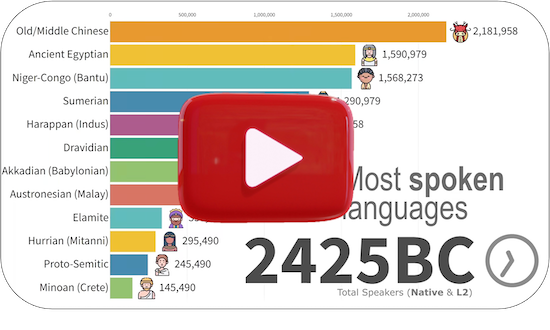
The evolution of the world’s languages
Check out the evolution of the world's most spoken languages from 2500 BC to...

Accounting & Bookkeeping
Modern business demands up to date accurate financial information.
We can take care of all your bookkeeping and accounting needs, including the preparation of your annual accounts and periodic management accounts for tax, business appraisal and planning purposes.
We can also assist with meeting your reporting requirements including Business Activity Statements, PAYG Withholding and Instalment Activity Statements.
We will discuss your requirements with you and provide you with tailored information and constructive advice on a regular basis.
If you would like further information you can contact us on (02) 9300 3000 or .

Acquisitions & Mergers
Whether you are considering buying or selling a business, we are able to assist you in this transaction by providing experienced advice.
Each transaction is different and needs to be assessed on its individual merits. There are a number of accounting and taxation opportunities with these transactions and our experience can ensure you are maximising your benefits.
If you would like further information you can contact us on (02) 9300 3000 or .

Budgeting
A good budget is a necessity in a good business plan. It is one of the best business tools we have, allowing us to set financial targets and measure our performance.
In addition to goal setting value, budgets will often improve your chances of acquiring funding. Financers often require budgets as a prerequisite for funding approval.
We have extensive experience with assisting clients in the budgeting process.
If you would like further information you can contact us on (02) 9300 3000 or .

Business Start-Ups
Before commencing a new business, the following are some of the key items that need to be considered:
- Decide on the most suitable structure for your business – sole trader, partnership, trust or company
- Prepare a business plan, cashflow projections, budgets, and trading forecasts
- Assess your finance requirements, advise on the best sources of finance, and draw up the necessary proposals
- Establish a good working relationship with your bank
- Register for a Tax File Number and an Australian Business Number with the ATO
- Complete registration procedures with Australian Securities and Investments Commission
- Deal with company secretarial issues
- Set up a recording system for your internal use and for complying with statutory requirements
Each new business is different and needs to be considered in relation to your individual circumstances and our experience can ensure you are maximising your opportunities.
If you would like further information you can contact us on (02) 9300 3000 or .

Charitable Institutions
Charitable institutions are set up to hold money or assets and carry out activities for the benefit of the community. In Australia, a variety of charitable institutions exist including:
- Various forms of charitable trusts
- Companies limited by guarantee
- Unincorporated associations
- Deductible gift recipients
- Prescribed private fund
Each type of charitable institution brings with it different requirements and benefits. We know the practicalities of these institutions and are able to assist you by:
- Co-ordinating the preparation of constituent documents
- Applying to the ATO for an Australian Business Number and Tax File Number
- Organising tax exemptions where applicable
- Attending to all compliance and statutory filings
If you would like further information you can contact us on (02) 9300 3000 or .

Company Secretary
Company legislation requires businesses to perform many administration tasks which take up a lot of valuable company time.
We are able to assist you in the following areas:
- General advice on company law
- Company formations
- Filing of annual returns on your behalf
- Preparation of all documentation related to minutes and resolutions
- Maintenance of statutory books
- Assistance in changes of directors, shareholders, addresses, and office details
- Bonus Issues
- Share transfers
- Registered Office Facility
If you would like further information you can contact us on (02) 9300 3000 or .

Financial Structures
Having the right financial structure in place for your business or your family means looking at your individual circumstances and ensuring that your assets are being maximised whilst being adequately protected.
We have extensive experience in ensuring our clients have the best financial structure for their needs both now and in the future. We can provide advice on and assist with:
- Effective structures for asset protection
- Effective structures for tax minimisation
- The optimal structure through which to operate your business
- Structures to assist in succession planning and providing for future generations
If you would like further information you can contact us on (02) 9300 3000 or .

GST
Every transaction has GST implications. We have experience with these issues and are able to offer expert advice on the implications of GST for your business. The GST related services we offer include:
- Assistance with registering for GST
- Filing and adjusting GST returns
- ATO audit assistance
- Advice on GST related issues
If you would like further information you can contact us on (02) 9300 3000 or .

Management Consulting
We are practiced in acting as a sounding board for management, bringing to the relationship years of experience in business growth and analysis.
We are able to check that your business is as competitive, focused, and profitable as it can be and we will work with you to address any issues.
If you would like further information you can contact us on (02) 9300 3000 or .

Payroll Services
We can provide a comprehensive and confidential payroll service including:
- Administration of PAYG Withholding, statutory sick pay, annual leave etc
- Australian Taxation Office filing
- Summaries and analyses of staff costs
- Administration of incentive schemes, bonuses and termination payments
- Assistance with payroll tax and workers compensation obligations
If you would like further information you can contact us on (02) 9300 3000 or .

Rental Properties
We can assist in a variety of areas in relation to residential and commercial property including:
- Advice on funding
- Cash flow analysis of property investment
- Guidance in tax related areas including negative gearing and capital gains tax
- Advice on ownership structure
- Preparation of initial land tax returns and land tax variation returns
If you would like further information you can contact us on (02) 9300 3000 or .
Clients of Wybenga & Partners Pty Limited can engage our partner firm, Washington Brown, for a competitive price on their depreciation services: Tax Depreciation Quote Request – Wybenga & Partners Pty Limited Clients

Strategic Planning & Advice
Our Strategic Planning Service is designed to assist our clients to develop financially towards the achievement of their lifetime objectives. Our experience and proven results provide our clients with the security that their financial goals will be met.
Wybenga Financial Pty Ltd is an organisation providing wealth creation and management services to private clients.
If you would like further information you can contact us on (02) 9300 3000 or .

Superannuation
Self-managed superannuation is a flexible means of saving for retirement. It allows you to take control of your superannuation, adopt a customized investment strategy and control fund administration costs.
Superannution law is a delicate area and personalised planning is required for each individual. We have extensive experience in all areas relating to superannuation and can assist in establishing a superannuation fund that will effectively allow you to reach your financial retirement goals.
Services we offer include:
- Establishment of Self Managed Superannuation Funds
- Advice concerning Compliance Matters
- Advice concerning Taxation Benefits
- Advice on Employer obligations
If you would like further information you can contact us on (02) 9300 3000 or .

Taxation
We offer a complete range of taxation services and advice based on proven knowledge and experience. Our proactive approach ensures we deliver a consistent service and build solid relationships.
We will work with you to help reduce your tax exposure and provide services including:
- Advice on all areas of direct and indirect taxation
- Preparation and lodgement of annual income tax returns for all types of entities
- Preparation of PAYG withholding variation applications
- Preparation of activity statements and advice on payment of tax
- Assistance with GST/FBT obligations including preparation and lodgement of relevant forms
- Advice on and implementation of tax effective trust structures for asset protection and tax minimisation
- Management of any ATO audits or disputes
If you would like further information you can contact us on (02) 9300 3000 or .

Trusts
A trust provides a valuable way of protecting the assets you have accumulated for the benefit of yourself and others. A trust can also be an effective structure for running your business.
We have extensive experience with trusts and are able to offer specialist advice on establishment and compliance, ensuring that all statutory requirements are met.
Wybenga & Partners are able to organise for the preparation and execution of documentation involved in Trust formation.
Our Trust administration service includes:
- Minute keeping service
- Annual accounts
- Taxation
- Maintenance of CGT register
- Income distribution
If you would like further information you can contact us on (02) 9300 3000 or .

Chris Wybenga
B.Bus, CA
Chris is the Managing Director of the Firm who established the practice in August 1994 and has been responsible for its growth and development since that time.
Chris has over 40-years experience in the Chartered Accountancy profession, predominantly spent in small to medium sized firms, advising small and medium sized businesses and individuals in areas such as taxation and accounting as well as business restructuring and superannuation advice.
Chris remains active in the development of young accountants through mentoring cadets at the Firm.
- 1980 – Commenced employment and part time university studies
- 1985 – Graduated Bachelor of Business from University of Technology, Sydney
- 1986 – Admitted as an Associate Member of the Institute of Chartered Accountants Australia & New Zealand
- 1994 – Established Wybenga & Partners

Dianne Bechara
B.Bus, CA
Dianne is responsible for the day-to-day operations and administration of the practice.
Dianne has over 30-years Chartered Accountancy experience and has significant expertise in providing advice and solutions to high-net-worth individuals and their associated entities. Dianne also has considerable knowledge in the areas of taxation, business services, superannuation, and compliance.
Dianne is active in promoting gender equality in the industry through various programs and mentoring opportunities. Dianne is also committed to the development of young accountants and donates considerable time to sharing her expertise.
- 1992 – Graduated Bachelor of Business from University of Technology, Sydney
- 1993 – Commenced employment in acounting profession
- 1996 – Commenced career with Wybenga & Partners
- 1997 – Admitted as an Associate Member of the Institute of Chartered Accountants Australia & New Zealand
- 2002 – Appointed as Director of Wybenga & Partners

Roger Potter
B.Bus, CA
Roger has over 40-years in the Chartered Accountancy profession and significant expertise in providing advice and solutions to small and medium sized businesses and high-net-worth individuals. He also has extensive experience in the areas of Self-Managed Superannuation Funds and retirement strategies.
- 1985 – Commenced employment and part time university studies
- 1990 – Graduated Bachelor of Business from University of Technology, Sydney
- 1992 – Admitted as an Associate Member of the Institute of Chartered Accountants Australia & New Zealand
- 1998 – Commenced career with Wybenga & Partners
- 2002 – Appointed as Director of Wybenga & Partners
Tess Uncle
B.Sc, M.Com, CA
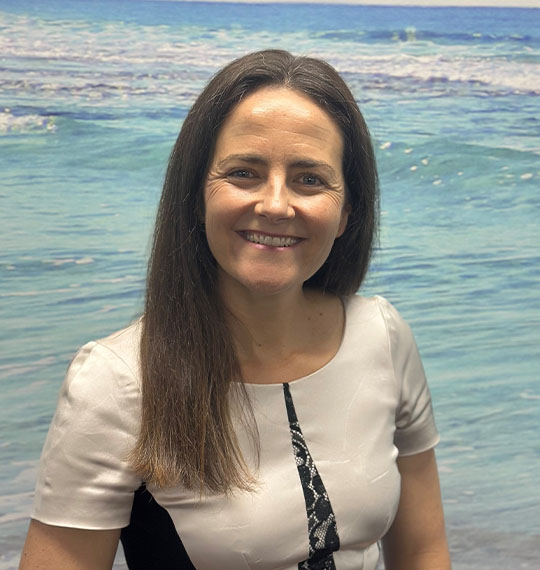
Tess has been working in Chartered Accounting Firms since 2001 and in this time has had a broad range of experience in superannuation, taxation, business services and financial strategy.
Since 2016, Tess has turned her attention to Financial Planning, earning a Diploma of Financial Planning in 2015 and leading the financial division of Wybenga Group as a Director of Wybenga Financial.
Tess’s mission is to bring the ethics and integrity of her Chartered Accounting background to the area of wealth management.
As a woman in a male dominated field, Tess is active in promoting gender equality in the industry through various programs and mentoring opportunities.
Using her depth of knowledge and experience in tax and accounting Tess is able to demonstrate a level of competence that is unique in the Financial Planning sector.
- 2001 – Commenced employment with Wybenga & Partners and part-time accountancy studies
- 2004 – Graduated Masters of Commerce from the University of New South Wales
- 2005 – Admitted as an Associate Member of the Institute of Chartered Accountants Australia & New Zealand
- 2007 – Promoted to Manager at Wybenga & Partners
- 2012 – Appointed as Associate Director
- 2015 – Awarded a Diploma in Financial Planning
- 2016 – Appointed as Director of Wybenga & Partners Pty Ltd, Wybenga Group Pty Limited and Wybenga Financial Pty Ltd
Schedule a Meeting with Tess

Adam Roberts
B.Bus, B.Sc, CA
Adam has over 18-years experience in Chartered Firms and in this time has had a broad range of experience in superannuation, taxation, and business services. In particular, Adam has had significant experience in MYOB and assisting clients with periodic management reporting.
Adam is responsible for the implementation of technology in the Firm and sourcing new areas of innovation and efficiency.
Adam is active in the development of young accountants and donates considerable time to sharing his expertise.
- 2005 – Commenced employment with Wybenga & Partners and part-time Accountancy Studies
- 2005 – Graduated Bachelor of Science from the University of Western Sydney
- 2007 – Graduated Bachelor of Business from the University of Western Sydney
- 2010 – Admitted as an Associate Member of the Institute of Chartered Accountants Australia & New Zealand
- 2010 – Promoted to Manager at Wybenga & Partners
- 2012 – Appointed as Associate Director
- 2016 – Appointed as Director of Wybenga & Partners
Schedule a Meeting with Adam

Hussein Oubani
B.Bus, CA
Hussein brings over 20 years of experience working in Chartered Accounting Firms, during which he has gained extensive expertise in taxation and business services. He provides advice on various tax issues, including capital gains tax, fringe benefits tax, goods and services tax, and Australia’s tax treaties.
Hussein is dedicated to fostering the growth of young accountants and generously devotes a significant amount of time to sharing his knowledge and expertise.
- 2008 – Commenced employment with Wybenga & Partners and part-time
Accountancy Studies - 2010 – Graduated Bachelor of Business from the University of Western Sydney
- 2012 – Admitted as an Associate Member of the Institute of Chartered Accountants
Australia & New Zealand - 2024 – Appointed as Director of Wybenga & Partners